
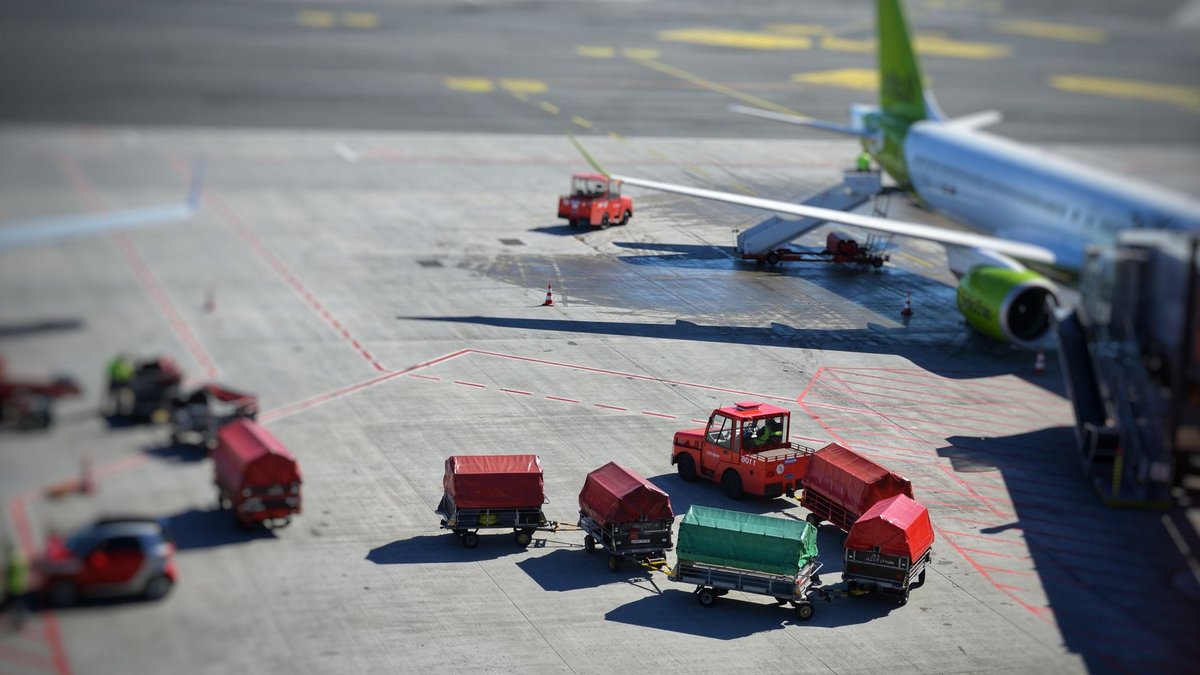
Turkish company Çelebi Aviation, founded in 1958, is competing for the ground-handling contract at Hazrat Shahjalal International Airport‘s third terminal in Dhaka.
Çelebi Aviation targets Bangladesh’s new terminal
In a virtual interview with a senior staff correspondent from a local business daily, Dave Dorner, group chief executive, outlined the company’s interest in Bangladesh’s aviation sector.
Dorner said the aviation market’s rapid growth aligns with Çelebi’s focus on emerging economies, where the firm believes it can deliver quick-scale improvements.
The firm already operates at roughly 70 airports worldwide, handling airlines, passengers, freight forwarders and shippers at both large hubs and smaller fields.
Dorner confirmed that Çelebi would consider additional Bangladeshi airports if authorities deem the expertise useful.
Long-standing interest and personal commitment to Bangladesh
Dorner said Çelebi has been evaluating Bangladesh for a long time and is pleased the process is now moving forward. He described the country as a strong match for the company, and vice versa.
He noted his personal involvement with Bangladesh spans almost ten years, showing belief that Çelebi can add genuine value.
Dorner said he respects competitors and will not comment on their strengths or weaknesses, highlighting Çelebi’s ability to operate in challenging, fast-growing markets.
Electric equipment and investment plans
Çelebi plans to invest heavily in new electric ground-support equipment (GSE) should it win the third-terminal contract.
When the company launched operations in Jakarta and Bali earlier this year, the stations achieved about 93% electric equipment penetration, with all gear brand new.
Electric equipment carries a higher upfront price, but Çelebi argues the total cost of ownership is lower and the environmental impact is reduced.
Because electric machines often have long delivery lead times, the firm may initially redeploy assets from existing locations to meet service standards.
Service promises and broader impact
Dorner acknowledged that passengers at Dhaka’s current terminal experience long baggage-claim queues and check-in delays.
The upcoming terminal operator will set service-level targets for both ground handlers and airlines that manage their own baggage.
Çelebi’s policy is to meet or exceed those targets, avoiding penalties tied to poor performance.
Related Post: Bangladesh rejects new LNG price proposal
Infrastructure constraints, safety rules and aircraft arriving off-schedule can still affect baggage turnaround, but the company aims to control the variables within its reach.
Ground handling typically represents 3% to 5% of an airline’s overall costs, so efficiency gains can help keep ticket prices competitive.
By training staff properly, adhering to service agreements and ensuring timely aircraft turnarounds, Çelebi hopes to improve airline value and possibly stimulate additional flight frequencies.
Dorner said, “I would like to see a substantial improvement in passenger satisfaction, with smooth and positive travel experiences.”
Employee safety, fair wages and professional development are also highlighted as part of the service upgrade.
While the company’s primary goal is to serve passengers, it also seeks to earn the trust of the airport operator and civil aviation authorities.
Çelebi’s experience in Hungary, where it entered the market two decades ago, and in Indonesia, demonstrates its ability to operate in fast-growing environments.
In addition to operating equipment, the firm plans to develop local suppliers rather than rely solely on imports, a move that could generate thousands of jobs beyond the airport perimeter.
Local firms that meet Çelebi’s standards may eventually become exporters, extending the economic impact of the partnership.
Should the tender be awarded, the company may need to deploy equipment from existing operations elsewhere to improve services from the outset.
Airlines could benefit from reduced turnaround times, potentially encouraging more routes and offering passengers more choices.
Çelebi’s model aims to create value both inside the airport and throughout the surrounding economy.
While competition from the national carrier and other firms exists, Çelebi emphasizes its niche in emerging markets and its commitment to local capacity building.
Çelebi’s stated objective is to establish a trusted partnership that balances passenger needs, airline expectations, employee welfare and governmental priorities.


Leave a Reply