
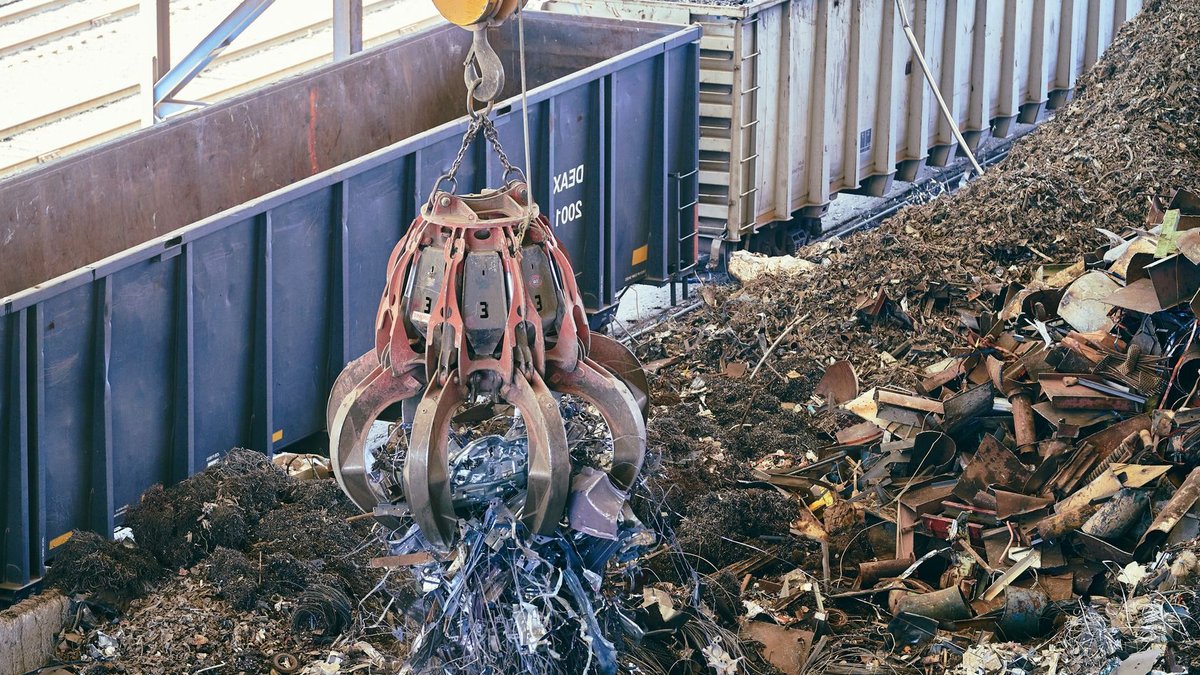
Bangladesh’s steel industry faces a potential crisis as the European Union’s draft waste shipment rules exclude the country from importing metal scrap. The proposed restrictions, set to take effect on 21 May 2027, could significantly impact Bangladesh’s steel production and market prices. This exclusion comes at a critical time when the industry is already grappling with multiple challenges, including gas and electricity shortages, weak demand, and rising production costs.
The draft rules, part of the EU’s revised waste-shipment framework, aim to ensure environmentally sound management of waste. Bangladesh, a non-OECD country, must demonstrate its ability to handle specific waste types to remain on the authorized destination list. The framework, under Regulation (EU) 2024/1157, entered into force on 20 May 2024, emphasizing the EU’s commitment to stringent environmental standards.
Heavy reliance on EU scrap imports
Bangladesh’s steel industry heavily relies on imported scrap, with 84% of its ferrous scrap supply coming from imports in FY25. The EU has been a major source, accounting for over 60% of total scrap imports historically, according to industry analyst Iftekher Ahmed. In FY25, the country imported around 5.29 million tonnes of ferrous scrap, with imports accounting for about 84% of the total supply of 6.29 million tonnes. This heavy dependence on EU scrap shows the potential severity of the proposed restrictions.
The proposed exclusion of metal waste from the authorized list has raised concerns among steelmakers. Sumon Chowdhury, general secretary of the Bangladesh Steel Manufacturers Association, warned that losing access to EU scrap could trigger another industry crisis, pushing up steel product prices. The industry’s vulnerability to international supply changes and price fluctuations further complicates the situation.
Environmental compliance concerns
The EU’s decision to exclude Bangladesh from metal waste imports stems from environmental compliance concerns. The European Commission found that while Bangladesh met requirements for paper and rubber waste, it lacked necessary measures for environmentally sound management of metal waste. Metal waste processing involves hazardous substances like lead, mercury, cadmium, and hexavalent chromium, which can cause pollution without proper safeguards.
Related Post: Chinese Turkish firms lead Bangladesh offshore bid interest
Bangladesh must address these issues to secure its inclusion on the authorized destination list for metal scrap. The country submitted its application on 21 February 2025 to remain eligible to receive specified non-hazardous waste from the EU. Mahbuba Khatoon Minu, joint secretary (FTA2) at the commerce ministry, told TBS, “We have submitted an application to include Bangladesh in the list. The application is now under review.”
The European Commission is expected to finalize the authorized destination list by the end of 2026, with the new rules applying from 21 May 2027. Bangladesh’s steel industry awaits the outcome, as the decision will significantly impact its raw material costs and market competitiveness. Minu acknowledged the Commission’s concerns and emphasized ongoing efforts to meet environmental standards, noting that Bangladesh is not alone in facing exclusion, as India, Pakistan, and several other countries are in a similar situation.
Industry struggles and alternative sources
The impact will depend on the current reliance on EU scrap and the availability of alternative suppliers offering sufficient volumes at competitive prices. Tapan Sen Gupta, deputy managing director of BSRM, a leading steelmaker, emphasized the quality of EU scrap, stating that its unavailability would put the industry in trouble. Higher scrap prices could force producers to raise the prices of rebar and other steel products, further exacerbating market challenges.
Environmental compliance and ongoing efforts
Bangladesh has submitted an application to be included on the authorized destination list, which is currently under review. The country aims to demonstrate its ability to manage metal waste in an environmentally sound manner, addressing the specific concerns raised by the European Commission.


Leave a Reply