
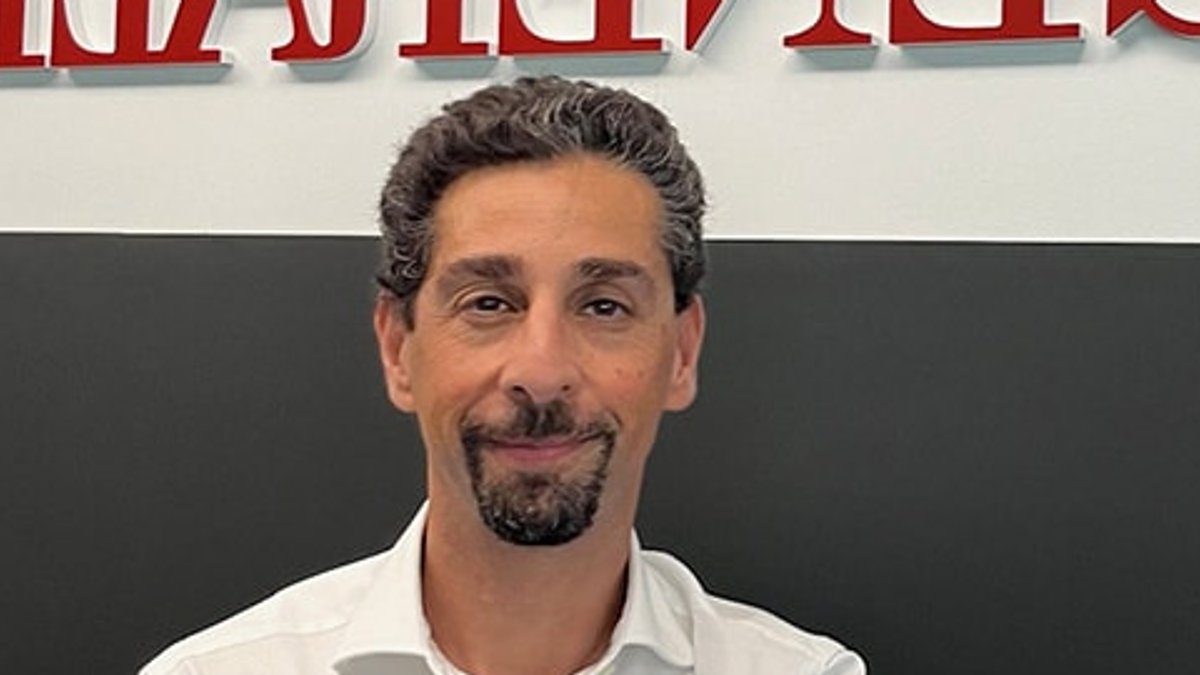
Generali’s risk chief Gerardo Di Filippo warned that climate change is increasingly pressuring public health and the sustainability of health systems.
How a warming climate strains health services
According to a joint paper with the United Nations Development Programme titled “Resilience by Design: Strengthening Health and Human Development in a Changing Climate,” the link between climate, health, economy and society is now observable, not theoretical. The study identifies two main pathways through which climate change harms health.
Chronic effects stem from rising temperatures and worsening air quality. These conditions aggravate existing cardiovascular and respiratory diseases, especially among vulnerable groups. The impact unfolds slowly but adds up over time, eroding overall health.
Acute effects arise from extreme events such as heatwaves or prolonged exposure to existing pathogens, including vector‑borne illnesses. Such incidents trigger spikes in mortality and morbidity that instantly stress hospitals and clinics. The risk chief notes that the combination of chronic decline and acute surges keeps health systems under constant strain, sometimes pushing them beyond operational limits.
Economic fallout from deteriorating health
When population health declines, work capacity falls, reducing productivity. Public spending climbs, leading to higher taxes or increased debt. The resulting contraction in gross domestic product weakens a nation’s overall resilience. In other words, the health impact of climate change ripples through the broader economy.
From a risk‑management perspective, Di Filippo highlights three complicating factors. First, the sheer number of interlinked variables makes forecasting difficult. Second, climate effects are lagged; events from decades ago continue to influence present conditions, and even rapid emission cuts would not instantly lower temperatures because of climate inertia. Third, there are points of no return beyond which the climate cannot revert to its former state.
Related: Tennis Stars Pairing With Champagne at Grand Slams
To tackle this complexity, the insurer relies on forward‑looking scenario analysis that projects conditions to 2050 and 2100. These projections blend scientific climate models with demographic trends, socioeconomic shifts and the current state of health systems, reinforcing the view that climate risk is systemic rather than episodic.
Understanding the scale of the challenge helps frame why prevention matters. As health outcomes deteriorate, the cost of treating illnesses rises, and insurers must adjust pricing and coverage strategies. Coordination across sectors is essential.
Generali’s Eolus model and the health protection gap
The insurer’s Eolus model evaluates how climate scenarios affect life‑insurance and health‑insurance portfolios. For the life and health segments, the model tracks two core indicators: mortality, reflecting longevity trends, and morbidity, indicating disease prevalence.
Addressing systemic risk requires moving beyond fragmented, individual‑level responses. He argues that prevention must become central, demanding joint effort from public entities and private insurers. A public‑private partnership between Generali and the San Donato Group shifts focus from merely paying claims to guiding patients through their care pathways based on evolving clinical needs.
Through shared data, joint investments and structured collaboration, such partnerships aim to balance demand and supply of health services, bolstering system resilience. The executive concludes that climate‑related health impacts will keep growing, and long‑term solutions must integrate health, economic policy and resilience planning.


Leave a Reply