
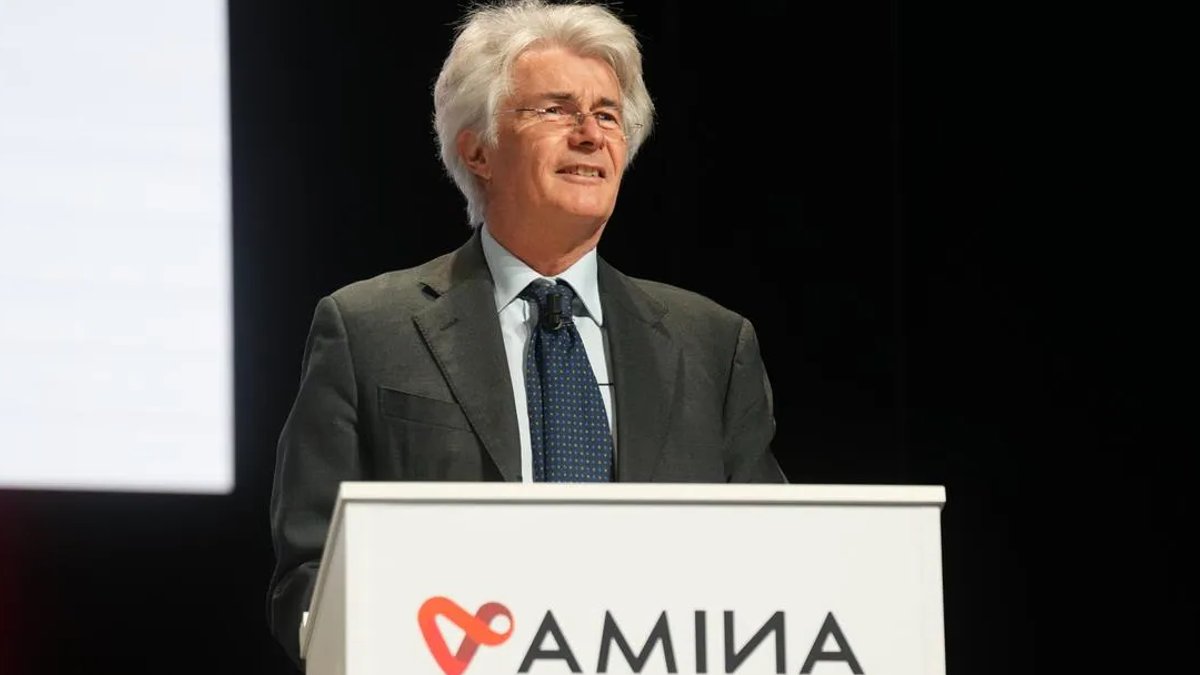
Anima, Italy’s largest independent asset manager, reported a sharp rise in first-half profits as incentive fees surged, sending its stock up more than 3% in Milan trading.
Profit jumps despite outflows
The company posted a net profit of €158.8 million for the six months ending June 30, a 3% increase from the same period last year. Normalized net profit—stripping out non-cash and extraordinary items—rose 16% to €178.4 million.
Assets under management and administration grew 3% year-over-year to €212.2 billion, though net inflows turned negative after excluding insurance portfolios. The company blamed the €5.2 billion outflow on the loss of mandates previously managed for Etica Sgr, a rival ethical-investment firm. Adjusting for that exit, net inflows would have been positive €600 million.
Incentive fees drive revenue growth
Net management fees inched up 3% to €184.7 million, but incentive fees nearly doubled, climbing 80% to €64.2 million. The surge helped push total revenues up 16% to €286.8 million.
By midday Monday, Anima’s shares were trading at €7.13, up 3.6% on the day. The stock has been volatile in recent months, reflecting broader market uncertainty and shifting investor sentiment toward asset managers.
Saverio Perissinotto, Anima’s CEO, called the results “satisfactory” given a “challenging context and a tough comparison base.” He expressed confidence that retail clients would regain confidence in managed savings solutions as markets stabilize.
Related: Italian Sea Group posts €171m loss plans rescue funding
The company’s net cash position strengthened to €604.3 million, up from €491.2 million at the end of December. That liquidity could provide flexibility for acquisitions or shareholder returns, though Anima has not signaled specific plans.
Analysts have noted that while the incentive fee growth is impressive, it may not be sustainable at the same pace. Performance-based fees depend on market conditions and fund outperformance—both of which can fluctuate. If equity markets cool or underperform benchmarks, those fees could decline just as quickly as they rose.
Retail focus remains key
Anima has been shifting its business toward retail investors, who tend to generate higher fees than institutional clients. The strategy appears to be paying off, with retail inflows holding steady even as institutional mandates have contracted.
Still, the company faces pressure to diversify its revenue streams. Over-reliance on incentive fees could expose it to volatility, particularly if market conditions deteriorate. Some competitors have expanded into private markets or alternative investments to smooth out earnings.
For now, investors seem willing to overlook the outflows, focusing instead on the profit growth and strong cash position. But the coming quarters will test whether Anima can maintain its momentum—or if the incentive fee boom was just a one-time windfall.


Leave a Reply