
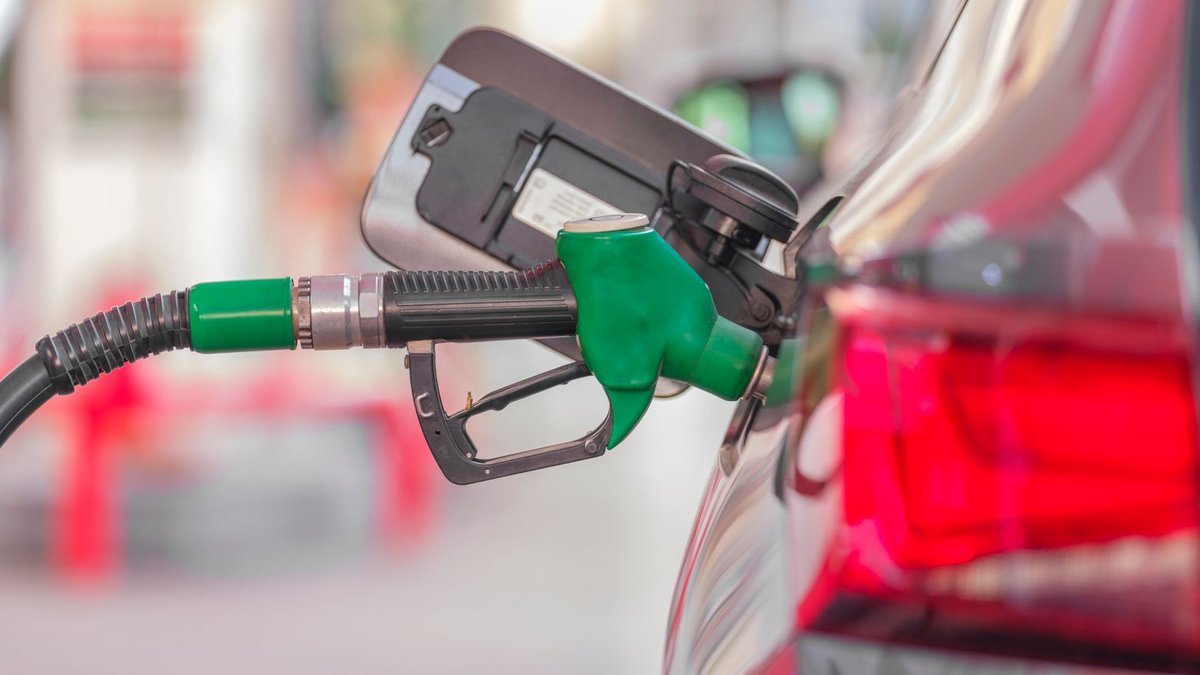
Bangladesh’s authorities levy Tk35.82 per litre in duties and taxes on diesel priced at Tk135, prompting debate over whether this revenue strategy unduly pressures consumers and the local enterprises.
Shifting the Tax Base
The tax load on fuel escalated significantly since June 2025, when the interim government replaced the fixed “Tariff Value” tax regime with a variable “Invoice Value” system. Under the old framework, total duties and taxes were capped at Tk16.76 per litre regardless of global price fluctuations.
Now, a 25% tax is applied directly to the import invoice value, including 6% customs duty, 15% VAT, 2% advance tax, and 2% advance income tax. When global oil prices rise, so do government taxes per litre. Currently, the state collects Tk19.06 more per litre than under the old system.
Costs Rise Across the Economy
This tax hike coincides with rising retail fuel prices, increasing costs for transport, irrigation, and industry. Households, already struggling with inflation, face additional financial pressure.
Increased irrigation, transport, and production costs lead to higher prices for goods and services. Businesses also face rising operating expenses.
Restaurant owners report that rising fuel and ingredient costs have reduced profits. A 30% sales drop prevents them from raising menu prices to cover these increases.
Policy Dilemmas and Expert Warnings
Dr Fahmida Khatun of the Centre for Policy Dialogue (CPD) points out the government’s dilemma. She suggests reviewing whether consumers bear too much of the tax burden and recommends targeted subsidies for low-income groups, small businesses, and farmers.
Proposals to Revise the Framework
The new tax system has impacted the Bangladesh Petroleum Corporation (BPC). Under the current framework, Tk35.82 in taxes is deducted from the Tk135 retail price of diesel, leaving BPC with slim margins to cover import costs.
At a Parliamentary Standing Committee on Public Undertakings meeting on 29 September, chaired by Chief Whip Nurul Islam Moni, BPC formally proposed either reverting to the fixed Tariff Value system or slashing the overall tax rate. The proposal followed the government’s 21 September decision to raise major petroleum product prices by an average of 15%. Diesel jumped 17.4% from Tk115 to Tk135 per litre.
External Pressures and Financial Strain
The government justified the increase as necessary to reduce smuggling and offset BPC’s losses, but BPC had already lost Tk22,875.66 crore between March and August 2026 due to rising global crude prices caused by Middle East tensions.
Currency depreciation has compounded BPC’s woes. The US dollar’s rise from Tk86 in 2021 to Tk123.50 in 2026 added roughly Tk55 to the landing cost of every litre of diesel. To cover import bills, BPC was forced to divert Tk19,500 crore from its project funds. BPC’s proposal was aimed partly at increasing the corporation’s share of revenue from fuel sales.
Short-Term Relief vs. Long-Term Fixes
The urgency behind BPC’s tax reform push has eased temporarily following a Tk4,500 crore government intervention on 29 September. Delivered via the Finance Division as an interest-free loan with a five-year repayment schedule and a six-month grace period, the funds will cover BPC’s import tenders through December.
A senior BPC official acknowledged that whilst returning to the old tariff system would have netted BPC an extra Tk19.06 per litre to cover costs directly, the fresh loan provides short-term liquidity. BPC Chairman Md Rafiqul Islam confirmed the structural tax proposals were submitted in committee working papers but were not discussed in detail due to the immediate relief provided by the credit facility.
BPC’s submission also outlined broader long-term measures. These include establishing a dedicated national Fuel Stabilisation Fund; expediting the operationalisation of the Single Point Mooring (SPM) project and Eastern Refinery Limited (ERL) Unit 2; and expanding national fuel storage reserves to a 90-day capacity.


Leave a Reply