
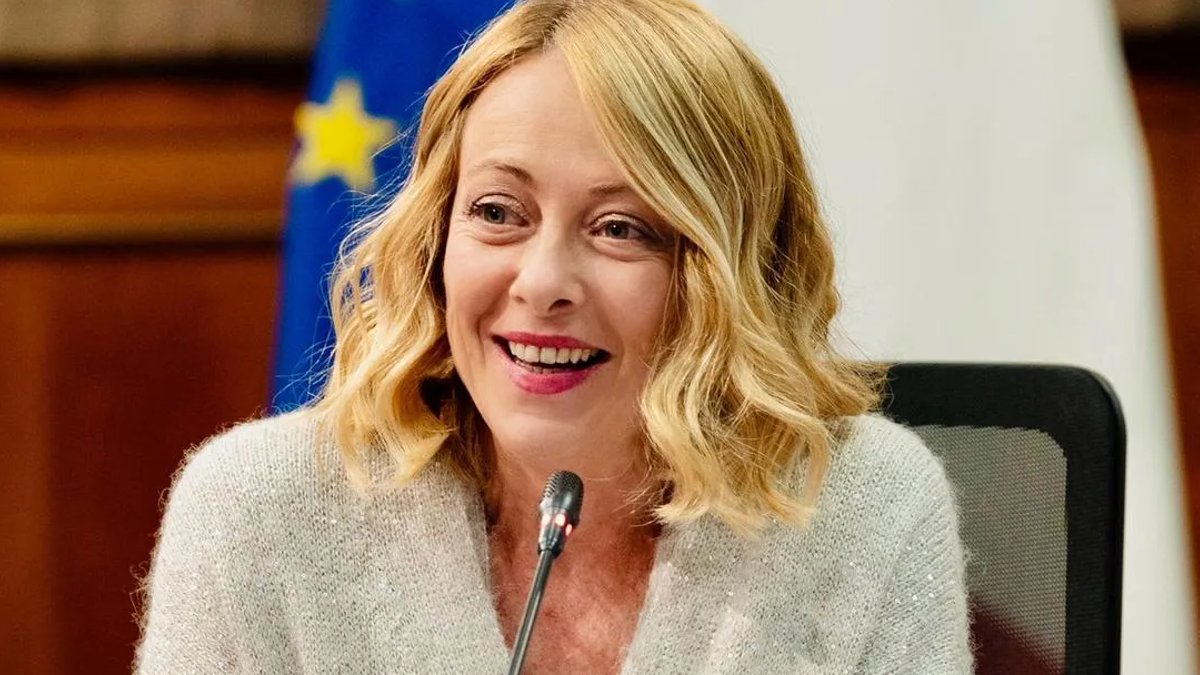
Giorgia Meloni has set two personal milestones for the coming weeks: leading Italy’s longest‑standing post‑war government past the September 3 deadline and staying smoke‑free for her first 100 days in office. She says she has already hit the latter, and the interview with MF‑Milano Finanza shows her focus on a broader agenda that mixes migration, energy policy and fiscal stability.
Migration and border security
Meloni says the recent crisis at Ceuta, sparked by a surge of migrants arriving from Morocco, demands a coordinated European response. “The priority of Europe is to protect external borders from uncontrolled immigration, eliminate security and terrorism risks, and defend the freedom of movement that underpins the Schengen system,” she told the interviewer.
She noted that most European nations now share Italy’s stance and warned of a possible new wave expected around August 15, according to Spanish authorities. The government plans to continue using existing repatriation regulations, including “hub” arrangements in third‑country locations, while also exploring “innovative solutions outside Europe.”
Energy funding and industrial support
Italy secured a budget flexibility that extends defense‑related fiscal leeway to the energy sector. Meloni announced an additional €14 billion for the next two years, aimed at cushioning vulnerable households and businesses from rising prices.
The European Commission has already outlined eligible spending categories. The government will target measures that lower costs for citizens, firms and public administration, both in the short and medium term. Beyond immediate relief, officials intend to channel some of the funds into domestic‑made technologies, hoping to boost Italy’s industrial base and competitiveness.
When asked about the EU’s proposed ETS reform, Meloni dismissed it as inadequate. She argued the current system “inflates energy costs asymmetrically” and harms member states unevenly. Italy plans to play a leading role in negotiations, echoing its earlier success in shaping climate legislation.
Related: Investors Eye Next Generation of Market Winners
On nuclear energy, the premier stressed “great speed and concreteness.” She sees next‑generation nuclear power as a long‑term answer for energy security and lower costs. A delegation law has passed its first reading in the Chamber, awaiting Senate approval, while implementation decrees are already being drafted.
In practice, the extra energy budget could translate into lower electricity bills for families and incentives for firms to adopt Italian‑produced equipment. This approach reflects a broader strategy to protect the “Made in Italy” brand, which remains a key export driver despite rising U.S. tariffs.
Fiscal outcomes and economic growth
Meloni highlighted that the government’s stability helped Italy avoid a debt‑crisis scenario that once threatened a “junk” rating and a spread of 240 basis points. Current figures show the spread dramatically lower, and the economy grew 1 % in the first half of 2026 compared with the same period in 2025.
Per‑capita GDP rose by roughly €4,500 since 2022, outpacing pre‑COVID growth of €1,850 recorded between 2016 and 2019. Still, productivity lags because the business environment is dominated by micro‑ and small enterprises and limited investment in research and human capital.
These numbers suggest that Italy’s fiscal discipline—characterized by a primary surplus in 2024 and a deficit‑to‑GDP ratio that fell from 8.1 % to 3.1 %—has begun to bear fruit. Yet the debt remains high, and further reductions will depend on maintaining spending on health, welfare and public contracts while trimming legacy burdens like the Superbonus, which will finally be paid off in 2027 after costing €174 billion.
The tax relief package introduced early in the term cut the “cuneo” and adjusted IRPEF brackets, returning about €21 billion to households each year, extending fringe‑benefit deductions and raising the flat‑rate tax threshold to €85,000.
Related: OpenAI to create 250 jobs at new Dublin HQ
While the prime minister boasts that these measures have boosted purchasing power, the underlying challenge remains: reversing a long‑standing trend of low productivity. She acknowledges that it will take years of policy consistency to see a substantive shift.
From a citizen’s standpoint, the combination of lower taxes and more reliable public‑sector payments could mean steadier wages and fewer surprises at the end of the month.
Small businesses, in particular, stand to benefit from the government’s push to enforce payment deadlines of 30 days for public invoices—a change that Meloni calls a “small and large revolution” for the real economy.
Overall, Italy’s export performance continues to impress, with 2025 record‑highs of €643 billion in value and a surplus near €51 billion. Growth in U.S. shipments, up 7.2 % despite tariff pressures, highlights the resilience of the country’s manufacturing sector.
The budget aims to protect households.
Looking ahead, Meloni’s agenda remains ambitious: she aims to solidify Italy’s role in EU negotiations, finish the nuclear law, and keep the budget flexible enough to respond to energy and industrial needs. Whether the government can sustain its current momentum without sacrificing long‑term reforms will be the key question for voters as the next election approaches.


Leave a Reply