
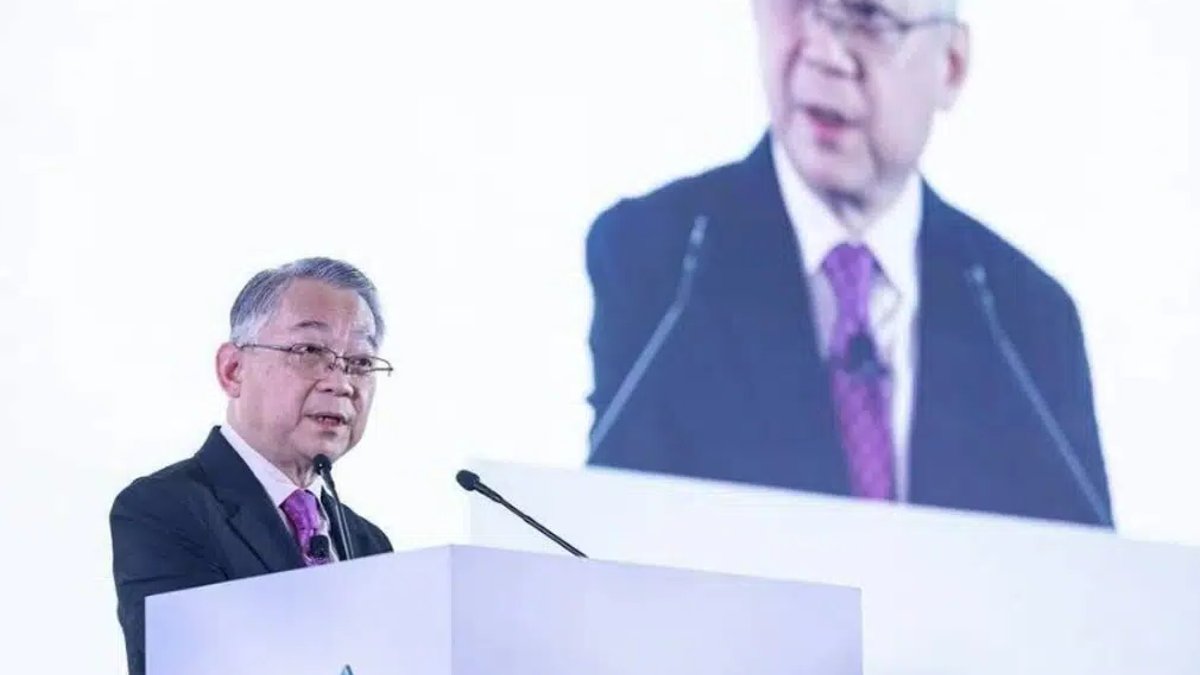
Deputy Prime Minister Gan Kim Yong said Asean must counter rising economic nationalism with deeper integration and wider partnerships. His remarks follow the US’ fresh tariffs and chip export restrictions, which affect many in South-east Asia.
Gan, who is also Minister for Energy, Trade and Industry (Trade), made these comments in a keynote speech at the Asia Future Summit 2026. He emphasized that raising barriers among Asean countries would narrow opportunities available to each of them.
Importance of Integration and Partnerships
A more integrated Asean would strengthen its value as a partner, while broader tie-ups would open up more opportunities for the region. Gan identified three factors that make integration and partnerships especially important: artificial intelligence, geopolitical shocks, and geo-economic contestation.
These factors can strengthen the impulse to turn inward, yet they also make cooperation more essential for the region’s growth. Geo-economic competition is reshaping trade, investment, and technology networks, with governments paying closer attention to dependencies and control over critical capabilities.
Asean countries cannot determine how major powers manage their differences, but they can maintain relationships across these divides and remain a bridge for trade, investment, and cooperation. This requires Asean to earn and sustain its partners’ confidence in the grouping’s integrity, institutional reliability, and business environment.
Clear Rules and Standards
To maintain these standards, Asean must issue clear and predictable rules, uphold its laws and commitments, and take firm action against wrongdoing. As scrutiny of international trade and investment intensifies, maintaining these standards becomes even more important.
Read Also: Trump Announces New Tariffs on Asian, European Goods
Asean will mark its 60th anniversary in 2027, with Singapore pushing for deeper integration and wider partnerships as it takes on Asean’s rotating chairmanship. Both the US and China will continue to be key economic partners for Asean, with their businesses, technologies, and markets important to the region’s growth.
The grouping is strengthening tie-ups with other partners to expand the region’s economic options and reduce its exposure to disruptions. These include negotiations to upgrade Asean’s trade agreements with South Korea and Canada, and growing links with other regional groupings such as the European Union and Gulf Cooperation Council.
Strengthening Integration within Asean
Asean is also strengthening integration within the grouping, with recent efforts to help firms better tap suppliers and customers within the region. A recently upgraded Asean Trade in Goods Agreement will help businesses reduce costs through streamlined procedures and more transparent rules.
A customs-related mutual recognition arrangement will give trusted traders faster clearances and priority treatment in participating countries. A regional Digital Economy Framework Agreement signed earlier in the month will make cross-border transactions, payments, and access to digital services easier.
These efforts will make Asean more valuable as a place to produce and market to serve, and form a stronger regional base enabling the grouping to engage the world with greater confidence, Gan said. He believes that with these efforts, Asean will be better equipped to handle future challenges and opportunities.


Leave a Reply